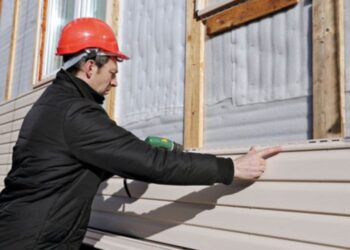
As homeowners increasingly prioritize sustainability, the quest for eco-friendly siding options gains momentum. From reducing carbon footprints to enhancing energy efficiency, this comprehensive guide delves into the world of eco-friendly siding materials, offering insights and comparisons to help you make informed choices for your home.
Delve deeper into the realm of eco-friendly siding options as we explore the various types, benefits, installation tips, and maintenance considerations, providing you with a well-rounded understanding of how these choices can positively impact your living space.
Eco-Friendly Siding Options
Choosing eco-friendly siding materials is crucial in reducing environmental impact and promoting sustainability. These materials are designed to be energy-efficient, durable, and recyclable, making them a better choice for both homeowners and the planet.
Comparison Between Traditional and Eco-Friendly Siding Materials
- Traditional siding materials like vinyl and aluminum can release harmful chemicals during manufacturing and installation, contributing to air and water pollution. On the other hand, eco-friendly options such as fiber cement, reclaimed wood, and recycled plastic are made from sustainable sources and have lower environmental footprints.
- While traditional siding materials may need frequent maintenance and replacements, eco-friendly options are often more durable and long-lasting, reducing the overall carbon footprint of the building.
- Eco-friendly siding materials are typically better at insulating homes, leading to lower energy consumption and reduced heating and cooling costs compared to traditional materials.
Key Features of Eco-Friendly Siding Options
- Look for siding materials that are made from recycled or sustainable sources, such as reclaimed wood, bamboo, or fiber cement.
- Choose products that are certified by reputable organizations like the Forest Stewardship Council (FSC) or Leadership in Energy and Environmental Design (LEED) for their environmental sustainability.
- Opt for siding materials that are low-maintenance and have long warranties to ensure durability and reduce the need for frequent replacements.
Types of Eco-Friendly Siding
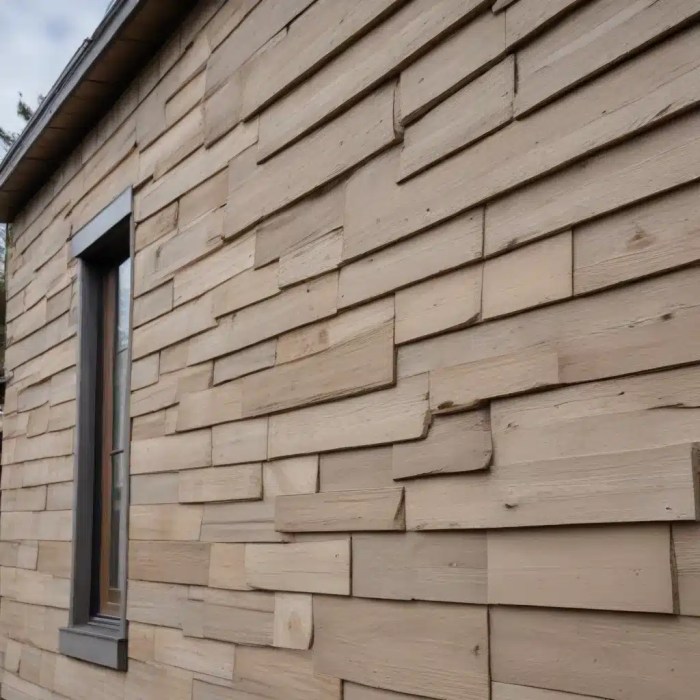
When it comes to eco-friendly siding options, there are several materials available in the market that offer sustainability and energy efficiency benefits.
1. Recycled Vinyl Siding
- Recycled vinyl siding is made from recycled materials, reducing waste and environmental impact.
- This type of siding is durable and low-maintenance, making it a long-lasting eco-friendly option.
- Examples of projects using recycled vinyl siding include residential homes and commercial buildings aiming for sustainability.
2. Wood Siding from Sustainable Sources
- Wood siding sourced from sustainable forests is a renewable and biodegradable option.
- It provides a natural look and can be recycled or composted at the end of its life cycle.
- Projects like eco-friendly cabins, lodges, and cottages often utilize wood siding from sustainable sources.
3. Fiber Cement Siding
- Fiber cement siding is made from a combination of cement, sand, and cellulose fibers, creating a durable and low-maintenance material.
- It is resistant to rot, fire, and pests, offering long-term sustainability benefits.
- Many eco-friendly buildings and LEED-certified projects use fiber cement siding for its eco-friendly properties.
Benefits of Eco-Friendly Siding
When opting for eco-friendly siding options, homeowners can enjoy a wide range of environmental, energy-saving, and cost-effective benefits. These sustainable materials not only contribute to a greener planet but also enhance the overall efficiency and affordability of a home.
Environmental Benefits
- Reduction of greenhouse gas emissions
- Conservation of natural resources
- Decreased waste production
- Promotion of sustainability
Energy Efficiency
Eco-friendly siding materials such as insulated vinyl, fiber cement, or reclaimed wood can significantly improve the energy efficiency of homes. By providing better insulation and reducing heat transfer, these options help maintain a comfortable indoor temperature, leading to lower energy consumption for heating and cooling purposes.
Cost Savings
- Lower energy bills due to improved insulation
- Reduced maintenance and replacement costs over time
- Potential increase in property value
- Longevity of eco-friendly siding materials
Installation and Maintenance
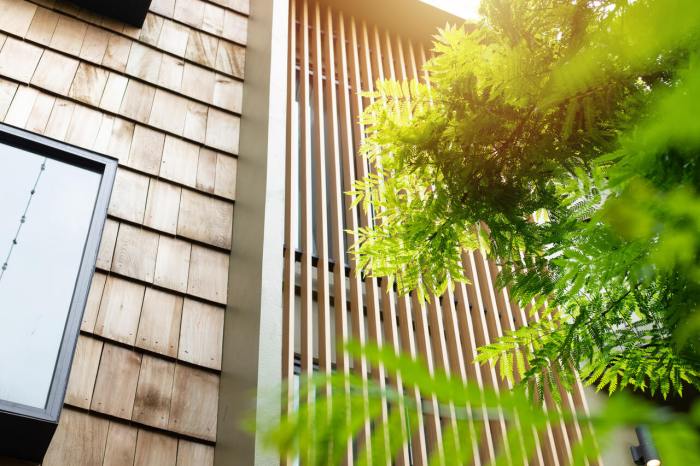
When it comes to eco-friendly siding options, proper installation and maintenance are key factors to consider for long-term sustainability and effectiveness. Here are some tips and insights on how to install and maintain eco-friendly siding materials.
Proper Installation Tips
- Ensure that the siding material is correctly aligned and securely fastened to prevent any gaps or exposed areas that could compromise energy efficiency.
- Follow the manufacturer's guidelines and recommendations for installation to ensure optimal performance and longevity of the siding.
- Consider hiring professional installers with experience in working with eco-friendly siding materials to guarantee a high-quality installation.
- Inspect the siding regularly after installation to identify any issues or damage that may require immediate attention.
Maintenance Comparison
- Eco-friendly siding materials typically require less maintenance compared to traditional siding options, as they are designed to be durable and resistant to environmental elements.
- Regular cleaning with mild soap and water is usually sufficient to maintain the appearance and functionality of eco-friendly siding, whereas traditional siding may require more frequent cleaning and maintenance.
- Repainting or refinishing may be necessary for traditional siding over time, while eco-friendly siding materials often have longer-lasting finishes that require minimal upkeep.
Special Considerations
- Some eco-friendly siding materials, such as reclaimed wood or bamboo, may require special treatments or coatings to enhance their durability and resistance to pests or moisture.
- Climate and environmental factors should be taken into account when choosing and maintaining eco-friendly siding, as certain materials may perform better in specific conditions.
- Consult with an expert or manufacturer to address any specific challenges or considerations related to the installation and maintenance of eco-friendly siding materials in your area.
End of Discussion
In conclusion, eco-friendly siding options not only contribute to a greener environment but also offer long-term benefits for homeowners. By choosing sustainable materials and embracing energy-efficient solutions, you can elevate the eco-consciousness of your home while enjoying a durable and visually appealing exterior.
Make the switch to eco-friendly siding today and reap the rewards for years to come.
Frequently Asked Questions
What are the key features to look for in eco-friendly siding options?
Key features to consider include sustainability, energy efficiency, durability, and low environmental impact.
How can eco-friendly siding contribute to energy efficiency in homes?
Eco-friendly siding can provide better insulation, reducing energy consumption for heating and cooling.
Are there any special considerations for installing and maintaining eco-friendly siding?
Proper installation techniques are crucial for maximizing the benefits of eco-friendly siding, and maintenance requirements may vary based on the material used.