Navigating the realm of managed vs unmanaged server hosting can be a daunting task, but fear not - this guide is here to shed light on the intricacies of each hosting type. By delving into the management responsibilities, cost implications, technical support, security measures, and customization options, you'll gain a comprehensive understanding of which hosting solution aligns best with your needs.
Managed vs Unmanaged Server Hosting
When it comes to server hosting, there are two main options to consider: managed and unmanaged. Each type offers distinct advantages and drawbacks, catering to different needs and preferences.
Managed Server Hosting
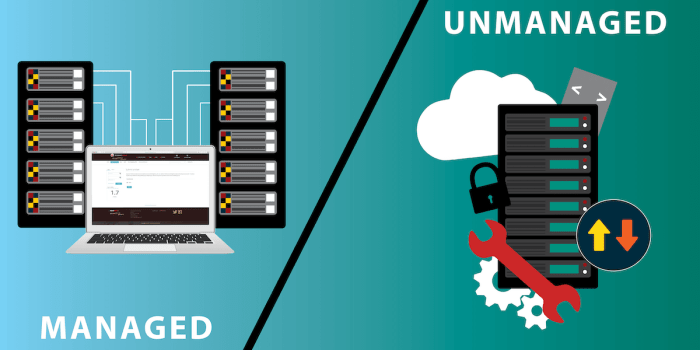
Managed server hosting is a service where the hosting provider takes care of all the technical aspects of server management on behalf of the client. This includes tasks such as security updates, software installations, backups, and monitoring. The client can focus on their business without worrying about the server's maintenance.
Unmanaged Server Hosting
On the other hand, unmanaged server hosting puts the responsibility of server management entirely on the client. This means that the client is in charge of all technical tasks, from setting up the server to ensuring security and performance. While this offers more control and customization options, it also requires a higher level of technical expertise.
Key Differences
- Support: In managed hosting, clients have access to technical support from the hosting provider, whereas in unmanaged hosting, clients are responsible for troubleshooting and problem-solving.
- Control: Managed hosting offers limited customization options compared to unmanaged hosting, where clients have full control over server configurations.
- Cost: Managed hosting tends to be more expensive due to the added services and support provided, while unmanaged hosting is more budget-friendly but requires more technical proficiency.
- Security: Managed hosting providers often include security measures as part of their service, whereas in unmanaged hosting, clients need to implement their own security protocols.
Management Responsibilities
In the world of server hosting, the management responsibilities are crucial to ensure the smooth operation of websites and applications. Let's delve into the specific duties of both managed and unmanaged server hosting providers, as well as the responsibilities required from clients in each scenario.
Managed Server Hosting
- A managed server hosting provider takes on the responsibility of maintaining the server hardware, software, and infrastructure.
- They handle tasks such as security updates, software installations, backups, and monitoring to ensure optimal performance.
- 24/7 technical support is typically included in managed hosting plans, allowing clients to rely on experts for assistance.
- Managed hosting providers often offer additional services like load balancing, automatic scaling, and performance optimization.
Unmanaged Server Hosting
- Clients are responsible for managing the server themselves in unmanaged hosting, including software installations, security updates, and backups.
- There is no technical support included in unmanaged hosting plans, requiring clients to troubleshoot and resolve issues independently.
- Clients have full control over the server configuration and can customize it according to their specific needs and preferences.
- Unmanaged hosting is suitable for clients with technical expertise who prefer complete control over their server environment.
Comparison of Management Control
| Managed Server Hosting | Unmanaged Server Hosting |
|---|---|
| Provider handles server management tasks | Clients manage server independently |
| 24/7 technical support available | No technical support provided |
| Less control over server configuration | Full control over server configuration |
| Suitable for clients who prefer convenience and expert support | Ideal for clients with technical expertise and specific requirements |
Cost Analysis
When it comes to choosing between managed and unmanaged server hosting, cost is a crucial factor to consider. Let's delve into the cost implications of each option and the factors that influence the cost differences.
Cost Implications of Managed Server Hosting
Managed server hosting typically comes at a higher cost compared to unmanaged hosting. This is because with managed hosting, you are paying for the convenience of having the hosting provider take care of various management responsibilities, such as security updates, monitoring, backups, and technical support.
These added services contribute to the overall cost of managed hosting.
Cost Implications of Unmanaged Server Hosting
On the other hand, unmanaged server hosting is generally more cost-effective as you are responsible for managing the server yourself. This means you will need to handle tasks like software updates, security patches, monitoring, and troubleshooting on your own or hire someone to do it for you.
The lower cost of unmanaged hosting is due to the fact that you are taking on more of the management responsibilities.
Factors Influencing Cost Differences
Several factors can influence the cost differences between managed and unmanaged server hosting. These factors include the level of technical expertise required, the amount of time and resources needed to manage the server, the complexity of the server setup, the level of support and assistance provided by the hosting provider, and the specific features and services included in the hosting package.
All these factors play a role in determining the overall cost of managed and unmanaged hosting options.
Technical Support and Security
When it comes to managed server hosting, clients can expect to receive comprehensive technical support from the hosting provider. This includes assistance with server setup, maintenance, troubleshooting, and software updates. Managed hosting providers typically have a team of experts available around the clock to address any issues that may arise, ensuring optimal performance and uptime for the client's website or application.In terms of security, managed server hosting packages often come with robust security measures to protect the server and the data stored on it.
This can include firewall configuration, regular security audits, malware scanning, and intrusion detection systems. Managed hosting providers take proactive steps to prevent security breaches and ensure that the client's data is safe and secure.
Technical Support in Unmanaged Server Hosting
In contrast, unmanaged server hosting puts the responsibility of server management solely on the client. This means that clients are responsible for setting up, configuring, and maintaining the server themselves. While this gives clients more control over their server environment, it also means that they are responsible for handling any technical issues that may arise.
Security in Unmanaged Server Hosting
Similarly, security in unmanaged server hosting is also the client's responsibility. Clients must implement their own security measures, such as installing and configuring firewalls, monitoring for security threats, and applying security patches. Without the support of a managed hosting provider, clients must be proactive in securing their server to prevent potential security breaches.
Customization and Flexibility

When it comes to choosing between managed and unmanaged server hosting, one crucial factor to consider is the level of customization and flexibility each option offers. Let's delve into the specifics of customization in managed hosting and the flexibility of configurations in unmanaged hosting.
Customization in Managed Server Hosting
In managed server hosting, users typically have access to a range of customization options provided by the hosting provider. This can include the ability to choose specific software configurations, control panel options, and server settings. Managed hosting services often offer pre-configured setups tailored to different needs, making it easier for users to get up and running quickly without needing in-depth technical knowledge.
Flexibility in Unmanaged Server Hosting
On the other hand, unmanaged server hosting gives users full control over their server configurations and setups. This level of flexibility allows users to install and customize software, adjust server settings, and optimize performance according to their specific requirements. While this level of control provides greater freedom, it also requires a higher level of technical expertise to manage and maintain the server effectively.
Scenarios Where Customization and Flexibility Matter
- In scenarios where a user has unique software requirements that may not be supported by standard managed hosting configurations, unmanaged hosting may be the better choice.
- For businesses that require specific security measures or compliance standards that go beyond what managed hosting can offer, the flexibility of unmanaged hosting can be crucial.
- In cases where scalability and resource management are key considerations, unmanaged hosting allows for more granular control over server resources and configurations.
Overall, the decision between managed and unmanaged hosting often comes down to the level of customization and flexibility required for your specific use case. Understanding your needs and technical capabilities is essential in making the right choice for your hosting environment.
Closure
In conclusion, the decision between managed and unmanaged server hosting ultimately boils down to your specific requirements and technical expertise. Each option comes with its own set of advantages and considerations, so make sure to weigh them carefully before making a choice.
Whether you prioritize control, cost-efficiency, or ease of use, there's a hosting solution out there that's perfect for you.
Common Queries
What is the main difference between managed and unmanaged server hosting?
Managed hosting involves the provider handling all server management tasks, while unmanaged hosting requires clients to take care of server maintenance themselves.
How does cost differ between managed and unmanaged server hosting?
Managed hosting tends to be more expensive due to the included services and support, whereas unmanaged hosting is cheaper but requires clients to manage the server themselves.
What level of technical support can I expect with managed server hosting?
Managed hosting typically offers 24/7 technical support for any server-related issues, ensuring quick resolution and minimal downtime.
Are there customization options with managed server hosting?
Yes, managed hosting providers often offer customizable solutions to meet the specific needs of clients, providing flexibility in configurations and setups.