Exploring the differences between custom built homes and modular homes, this introduction sets the stage for a detailed analysis of the two popular housing options. From design flexibility to construction timelines, we will delve into various aspects to help you understand which type of home suits your needs best.
As we navigate through the intricacies of custom built homes and modular homes, you will gain valuable insights that can aid in your decision-making process.
Custom Built Homes
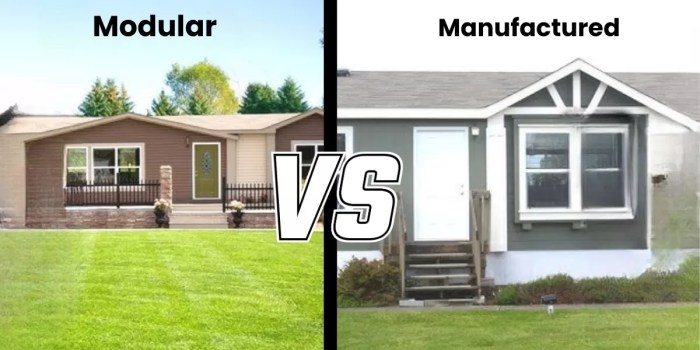
When it comes to designing a custom-built home, the process typically involves working closely with an architect or designer to create a unique home that fits your specific needs and preferences. This process allows for full customization of every aspect of the home, from the layout and size of the rooms to the materials used and the finishing touches.
Customization Options
- Layout and floor plan: Custom-built homes offer the flexibility to design a layout that suits your lifestyle, whether you prefer an open concept living space or a more traditional floor plan.
- Materials and finishes: Homeowners can choose high-quality materials for their custom-built home, such as hardwood floors, granite countertops, and custom cabinetry.
- Architectural style: From modern and contemporary to traditional and rustic, custom-built homes allow for customization of the architectural style to reflect your personal taste.
- Energy-efficient features: Custom-built homes can incorporate energy-efficient features like solar panels, high-performance windows, and insulation to reduce utility costs.
Quality of Materials
In custom-built homes, the quality of materials used is often higher compared to modular homes. Since custom-built homes are designed and constructed with specific preferences in mind, homeowners have more control over the selection of materials that meet their standards.
This can result in a higher level of craftsmanship and attention to detail in custom-built homes, making them a popular choice for those seeking a personalized and high-quality living space.
Modular Homes
Modular homes have gained popularity in recent years due to their numerous benefits over custom-built homes. These prefabricated homes are built in sections off-site in a factory setting and then transported to the final location for assembly.
Benefits of Choosing a Modular Home
- Cost-Efficiency: Modular homes are often more affordable than custom-built homes due to the streamlined manufacturing process and bulk material purchases.
- Speed of Construction: Modular homes can be constructed in a fraction of the time it takes to build a custom home, as much of the work is done simultaneously in the factory and on-site.
- Quality Control: The controlled factory environment ensures that modular homes are built to high standards and undergo rigorous quality checks.
- Eco-Friendly: Modular construction generates less waste and can be more energy-efficient than traditional construction methods.
Cost Differences between Modular Homes and Custom-Built Homes
- Modular homes are generally more cost-effective than custom-built homes due to the efficiencies of factory production and assembly.
- The overall cost of a modular home can vary based on the size, design, and specifications chosen, but they are typically more budget-friendly than custom homes.
- Custom-built homes often involve higher labor costs and longer construction timelines, leading to a higher overall price tag.
Construction Timeline of Modular Homes Compared to Custom-Built Homes
Modular homes offer a significantly shorter construction timeline compared to custom-built homes. While custom homes can take several months to a year to complete, modular homes can be assembled on-site in a matter of weeks. The off-site construction process allows for quicker completion and reduced labor costs, making modular homes an attractive option for those looking to move into their new home sooner rather than later.
Design and Layout
When it comes to design and layout, custom-built homes offer a high level of flexibility and personalization to meet the unique preferences of the homeowner.
Flexibility in Design and Layout
Custom-built homes allow homeowners to work closely with architects and designers to create a home that perfectly suits their needs, lifestyle, and aesthetic preferences. From the floor plan to the finishes, every detail can be tailored to reflect the homeowner's style and functionality requirements.
Comparison of Design Options
In contrast, modular homes typically come with a more limited range of design options. While there are pre-designed layouts to choose from, customization options are often restricted to a set of predefined choices. This can limit the ability to create a truly unique and personalized living space.
Impact of Design Preferences
The decision between custom-built and modular homes often comes down to design preferences. Homeowners who value complete control over the design process and want a one-of-a-kind home that reflects their personality and lifestyle may prefer a custom-built home. On the other hand, those who prioritize cost-efficiency and quicker construction timelines may find modular homes to be a more suitable option despite the limited design choices.
Sustainability and Eco-Friendliness
In today's environmentally conscious world, the focus on sustainability and eco-friendliness in housing is more important than ever. Let's explore how custom-built homes and modular homes stack up in terms of eco-friendly features and sustainability.
Eco-Friendly Features in Custom-Built Homes
Custom-built homes often incorporate a variety of eco-friendly features to reduce their environmental impact. These may include:
- Use of sustainable materials such as reclaimed wood, bamboo, or recycled materials
- Energy-efficient appliances and lighting fixtures
- Proper insulation and efficient HVAC systems to reduce energy consumption
- Water-saving plumbing fixtures and systems
- Solar panels or other renewable energy sources
- Landscaping with native plants to reduce water usage and promote biodiversity
Sustainability Aspects of Modular Homes
Modular homes are also known for their sustainability aspects, as they are often built in a factory setting with minimal waste and precise construction techniques. Some sustainability features of modular homes include:
- Reduced construction waste due to off-site manufacturing
- Energy-efficient design and construction methods
- Use of eco-friendly materials and finishes
- Potential for energy-efficient heating and cooling systems
- Ability to incorporate green building certifications such as LEED or Energy Star
Energy Efficiency Standards
Both custom-built and modular homes can meet high energy efficiency standards, but the approach may vary. Custom-built homes can be tailored to specific energy efficiency goals, while modular homes often come with standardized energy-efficient features. Some common energy efficiency standards in both types of homes include:
- High-performance windows and doors
- Proper insulation and air sealing to minimize heat loss
- Energy-efficient heating, ventilation, and air conditioning (HVAC) systems
- Use of smart technology for energy monitoring and management
- Compliance with local building codes and energy efficiency regulations
Final Review
In conclusion, the debate between custom built homes and modular homes offers a fascinating glimpse into the world of residential construction. Whether you prioritize customization or efficiency, both options have their unique benefits that cater to different preferences and requirements.
Questions and Answers
What are the key differences in the construction process between custom built homes and modular homes?
Custom built homes involve designing from scratch on-site, offering extensive customization options. In contrast, modular homes are prefabricated in sections off-site and assembled on-location, limiting customization but offering faster construction timelines.
How do the quality of materials differ between custom built homes and modular homes?
Custom built homes typically use higher quality materials due to the ability to choose specific components. Modular homes may have standardized materials to ensure consistency across units.
What are the cost variations between custom built homes and modular homes?
Custom built homes tend to be more expensive due to the customization options and labor-intensive on-site construction. Modular homes are often more cost-effective as they benefit from assembly line production and reduced labor costs.
How do design preferences impact the choice between custom built homes and modular homes?
Individuals seeking unique, personalized designs often lean towards custom built homes. Those prioritizing efficiency and faster construction timelines may find modular homes more suitable due to their standardized design options.
What sustainability features are commonly found in custom built homes?
Custom built homes often incorporate eco-friendly materials, energy-efficient systems, and sustainable design practices tailored to the homeowner's preferences.