Embark on a journey into the realm of custom home exteriors, where the facade of your house becomes a canvas for personal expression and style. Discover how the customization of exteriors plays a pivotal role in creating a unique and inviting atmosphere for your home.
Explore the various aspects of custom home exteriors, from materials to color schemes, and witness how these elements come together to elevate the curb appeal of any residence.
Introduction to Custom Home Exteriors
Custom home exteriors refer to the unique design and features that are tailored to meet the specific preferences and needs of homeowners. This customization can include a variety of elements such as siding, roofing, windows, doors, landscaping, and outdoor structures.Customizing the exterior of a home is important as it allows homeowners to create a personalized and distinctive look that reflects their style and taste.
It also helps to increase the overall value of the property and can make a lasting impression on visitors or potential buyers.
Enhancing Curb Appeal
Custom home exteriors can greatly enhance curb appeal by adding character, charm, and individuality to a property. Some examples of how customizations can improve curb appeal include:
- Choosing unique colors and finishes for siding and trim to create a striking visual impact.
- Adding architectural details such as decorative moldings, columns, or window shutters to enhance the overall appearance.
- Incorporating custom landscaping features like pathways, gardens, or outdoor lighting to create a welcoming and inviting entrance.
- Installing custom doors and windows that complement the style of the home and improve energy efficiency.
- Creating outdoor living spaces like patios, decks, or pergolas to extend the usable space and enhance the overall aesthetics of the property.
Popular Customization Options
When it comes to customizing home exteriors, there are several popular options that homeowners can choose from to enhance the aesthetic appeal and overall design of their properties.
Common Materials for Custom Home Exteriors
Custom home exteriors often feature a variety of materials that can be used to achieve a unique look. Some of the most popular materials include:
- Stone: Stone exteriors can add a timeless and elegant touch to a home, creating a rustic or sophisticated appearance depending on the type of stone used.
- Wood: Wood siding or accents can give a home a warm and inviting feel, with options ranging from classic cedar to modern reclaimed wood.
- Brick: Brick exteriors are a popular choice for their durability and classic appeal, offering a traditional yet versatile look for homes.
- Stucco: Stucco finishes are known for their versatility, allowing for a smooth or textured appearance that can be customized with different colors and patterns.
Custom Architectural Features
Architectural features play a significant role in customizing home exteriors, allowing homeowners to add unique elements that reflect their personal style. Some common architectural features that can be customized include:
- Gables: Gables are triangular-shaped roof sections that can be customized with different shapes, sizes, and decorative elements to enhance the overall look of a home.
- Columns: Columns can be used to add a sense of grandeur and elegance to a home's exterior, with options ranging from classic Greek columns to modern sleek designs.
- Dormers: Dormers are windows that project from a sloping roof, providing additional light and architectural interest to a home. They can be customized in various styles to complement the overall design.
Landscaping for Enhanced Exteriors
Landscaping plays a crucial role in enhancing the curb appeal of custom home exteriors, creating a harmonious connection between the house and its surroundings. By carefully planning and designing the landscaping, homeowners can complement the architectural features and materials used on the exterior, creating a cohesive and visually appealing overall design.
Color Schemes and Finishes
When it comes to custom home exteriors, choosing the right color schemes and finishes can make a significant impact on the overall look and feel of your home. The color of your siding, trim, doors, and shutters can all work together to create a cohesive and visually appealing exterior.
Exploring Color Schemes
When selecting a color scheme for your custom home exterior, consider the architectural style of your home, the surrounding landscape, and your personal preferences. Neutral colors like beige, gray, or white are timeless and versatile, while bold colors can add a modern or unique touch.
It's important to choose colors that complement each other and enhance the architectural features of your home.
Choosing the Right Finish
The finish of your exterior materials can also impact the overall look of your home. Different finishes, such as matte, satin, or gloss, can affect how light reflects off the surfaces and how the colors appear. Consider the maintenance requirements and durability of different finishes when making your decision.
For example, a glossy finish may require more upkeep but can provide a sleek and polished look.
Tips for Coordinating Colors
- Stick to a maximum of three main colors to avoid overwhelming the eye.
- Use a color wheel to find complementary or contrasting colors for a dynamic look.
- Consider the architectural style and materials of your home when choosing colors.
- Test paint samples on a small area of your home to see how they look in different lighting conditions.
Energy Efficiency and Sustainability
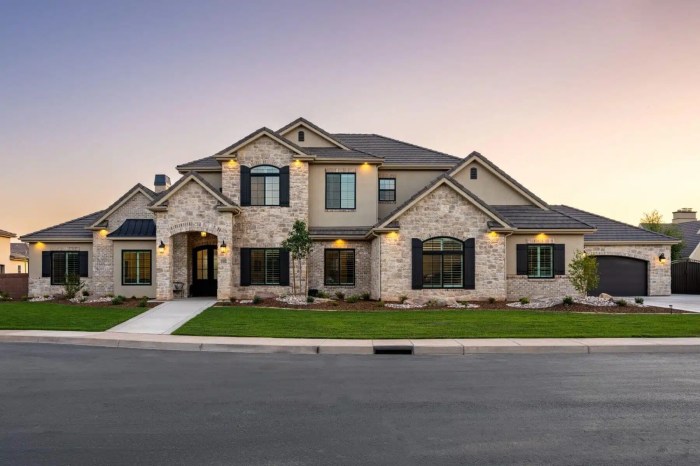
Custom home exteriors play a crucial role in improving energy efficiency and promoting sustainability. By utilizing the right materials and practices, homeowners can reduce their environmental impact and create a more eco-friendly living space.
Sustainable Materials and Practices
When it comes to eco-friendly exteriors, using sustainable materials is key. For example, opting for recycled or locally sourced materials can help reduce carbon emissions associated with transportation. Additionally, implementing practices such as proper insulation and energy-efficient windows can significantly lower energy consumption.
Contribution to a Greener Home
Custom home exteriors can contribute to a greener home by incorporating features like solar panels, green roofs, and rainwater harvesting systems. These additions not only reduce energy consumption but also promote sustainable living practices. By choosing environmentally friendly options, homeowners can make a positive impact on the planet while enjoying a comfortable and energy-efficient home.
Closure
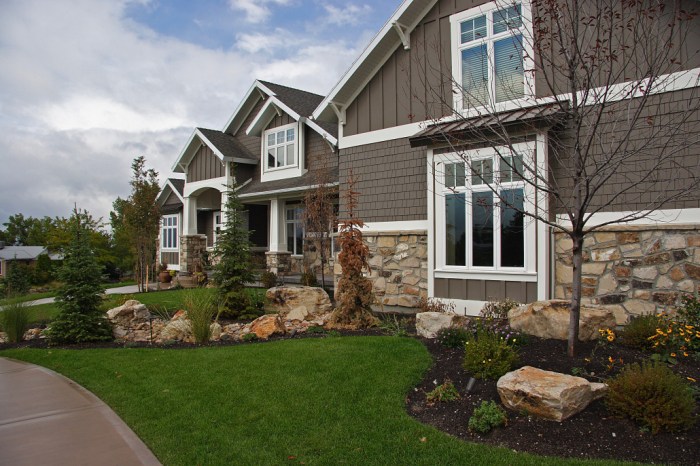
As we conclude our exploration of custom home exteriors, remember that the exterior of your home is not just a physical structure but a reflection of your personality and taste. By delving into the world of customization, you can truly make your house a standout in the neighborhood.
FAQ Section
What are the benefits of customizing home exteriors?
Customizing home exteriors allows homeowners to add a personal touch, increase curb appeal, and create a unique look that sets their home apart from others.
How can landscaping enhance custom home exteriors?
Landscaping plays a crucial role in complementing custom home exteriors by adding greenery, texture, and visual interest to the overall design.
What factors should be considered when choosing color schemes for home exteriors?
Factors such as architectural style, neighborhood regulations, and personal preferences should be taken into account when selecting color schemes for custom home exteriors.
How do custom home exteriors contribute to energy efficiency?
Custom home exteriors can enhance energy efficiency by using sustainable materials, proper insulation, and strategic design elements to reduce energy consumption.
What are some eco-friendly practices for custom home exteriors?
Eco-friendly practices include using recycled materials, installing energy-efficient windows, incorporating green roofs, and utilizing solar panels to promote sustainability in custom home exteriors.