Board and batten home exterior sets the stage for this enthralling narrative, offering readers a glimpse into a story that is rich in detail and brimming with originality from the outset.
As we delve deeper into the world of board and batten siding, we uncover a myriad of design possibilities and practical considerations that make this architectural choice truly unique.
What is a board and batten home exterior?
A board and batten home exterior refers to a type of siding where wide boards are vertically placed with narrow strips called battens covering the seams. This design creates a rustic and charming look for homes.
Board and Batten Siding Concept
Board and batten siding involves alternating wide boards and narrow battens to cover the exterior of a building. The boards are usually placed vertically, with the battens covering the joints where the boards meet. This style creates a visually appealing texture on the exterior of the home.
Traditional and Modern Applications
- In traditional applications, board and batten siding was commonly used in barns and other agricultural buildings as a practical and durable siding option.
- In modern applications, board and batten siding has become popular in residential homes, especially in farmhouse and cottage-style architecture, adding a touch of nostalgia and charm.
- Modern designers often use board and batten siding in combination with other materials to create a contemporary twist on this classic siding style.
Visual Appeal and Architectural Significance
- The vertical lines created by board and batten siding can visually elongate a home, making it appear taller and more elegant.
- The contrasting textures of the wide boards and narrow battens add depth and interest to the exterior of a home, creating a unique and eye-catching look.
- Board and batten siding is often associated with traditional American architecture, giving homes a sense of heritage and history.
Pros and cons of a board and batten home exterior.
When considering a board and batten home exterior, it is important to weigh the advantages and disadvantages of this siding option to make an informed decision for your property.
Advantages of Board and Batten Siding:
- Rustic Charm: Board and batten siding adds a unique, rustic charm to the exterior of a home, creating a visually appealing look.
- Versatility: This siding option can be customized to suit various architectural styles, making it a versatile choice for homeowners.
- Weather Resistance: Board and batten siding is known for its durability and ability to withstand harsh weather conditions, providing long-lasting protection for your home.
- Energy Efficiency: The design of board and batten siding can improve insulation, helping to regulate indoor temperatures and reduce energy costs.
Drawbacks of Board and Batten Siding:
- Maintenance Requirements: Board and batten siding may require more maintenance compared to other siding options, such as regular painting or staining to keep it looking its best.
- Cost: While board and batten siding can be a durable option, it may come with a higher initial cost than some other siding materials, which can be a drawback for budget-conscious homeowners.
- Installation Challenges: The installation of board and batten siding can be more labor-intensive and time-consuming compared to other siding options, potentially adding to the overall project cost.
Durability and Maintenance:
Board and batten siding is generally durable and long-lasting, especially when properly maintained. Regular maintenance such as painting or staining can help extend the lifespan of the siding and keep it looking its best. Compared to other siding options like vinyl or fiber cement, board and batten siding may require more frequent maintenance but offers a unique aesthetic that appeals to many homeowners.
Design considerations for a board and batten home exterior
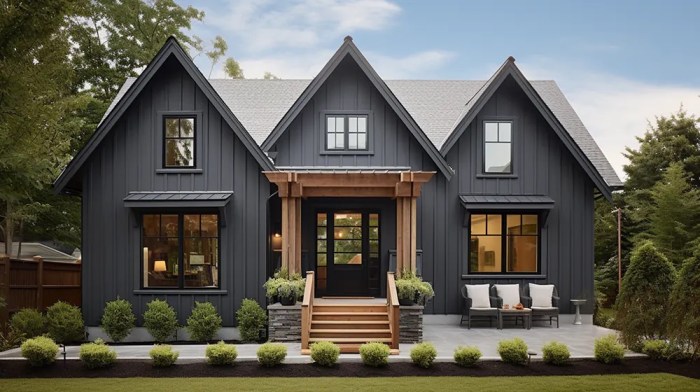
When considering a board and batten home exterior, there are several design elements to take into account to ensure the overall look of your home is cohesive and visually appealing.
Tips on choosing the right materials for board and batten siding
Choosing the right materials for your board and batten siding is crucial for the longevity and aesthetics of your home exterior. Here are some tips to help you make the best choice:
- Opt for high-quality wood or durable composite materials to ensure durability and resistance to weather elements.
- Consider the maintenance requirements of different materials to choose one that fits your lifestyle and budget.
- Look for materials that are easy to paint or stain if you plan on changing the color of your siding in the future.
Discuss color options and how they can impact the overall look of the home exterior
The color of your board and batten siding can greatly impact the overall look of your home exterior. Here are some considerations when choosing a color:
- Dark colors can create a dramatic and modern look, while lighter colors can give a more traditional and inviting feel.
- Consider the architectural style of your home and the surrounding landscape when choosing a color palette.
- Take into account the color of other exterior elements such as trim, roof, and doors to ensure a harmonious color scheme.
Explore different patterns and spacing techniques for installing board and batten siding
The pattern and spacing of your board and batten siding can add visual interest and texture to your home exterior. Here are some techniques to consider:
- Experiment with different widths of boards and battens to create unique patterns and designs.
- Consider vertical, horizontal, or diagonal installations to achieve different looks and styles.
- Play with the spacing between boards and battens to create visual contrast and depth.
Installation Process of Board and Batten Siding
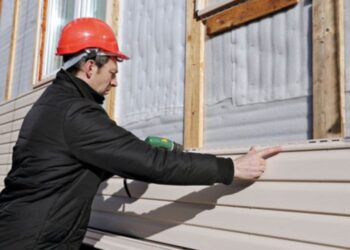
Installing board and batten siding can add charm and character to a home's exterior. Here is a step-by-step guide to help you through the installation process.
Gathering Tools and Materials
Before you begin the installation, make sure you have the following tools and materials ready:
- Boards for the battens
- Boards for the backing
- Saw
- Hammer or nail gun
- Nails or screws
- Level
- Tape measure
- Caulk
- Paint or stain
Installation Steps
- Prepare the wall surface by removing any existing siding and ensuring it is clean and smooth.
- Install the backing boards vertically on the wall, making sure they are level and properly spaced.
- Cut the batten boards to the desired length and attach them vertically over the backing boards, leaving a small gap between each board.
- Secure the batten boards in place using nails or screws, making sure they are level and evenly spaced.
- Fill any gaps or seams with caulk to prevent moisture from seeping behind the siding.
- Paint or stain the siding to protect it from the elements and enhance its appearance.
Potential Challenges and Solutions
Installing board and batten siding may pose some challenges, such as:
- Uneven walls: Use a level to ensure the backing and batten boards are installed straight.
- Moisture issues: Properly sealing gaps with caulk can help prevent water damage.
- Matching existing siding: Ensure the new siding matches the style and color of the existing siding for a cohesive look.
By following these steps and tips, you can successfully install board and batten siding on your home's exterior.
Closing Summary
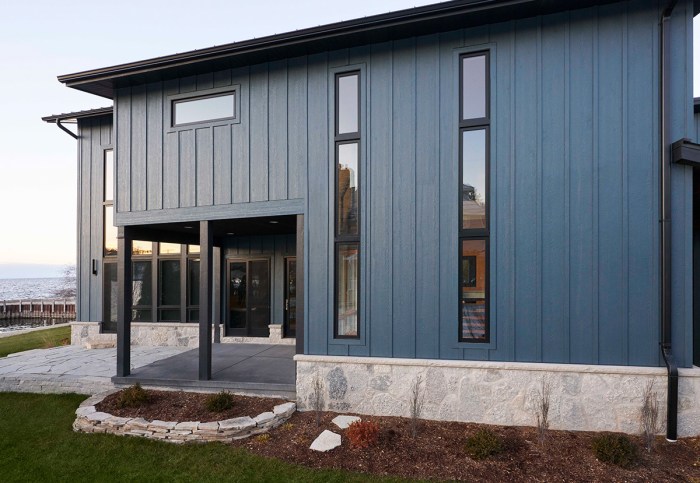
In conclusion, a board and batten home exterior not only adds character and charm to a residence but also serves as a timeless design element that stands the test of time. Embrace the rustic elegance and versatility of board and batten siding to elevate the aesthetic appeal of your home.
Quick FAQs
What are the benefits of board and batten siding?
Board and batten siding offers excellent insulation properties and a classic aesthetic that can enhance the curb appeal of any home.
How do I choose the right materials for board and batten siding?
Opt for high-quality wood or durable composite materials that can withstand the elements and maintain their appearance over time.
What spacing techniques are recommended for installing board and batten siding?
To achieve a traditional look, consider spacing the boards evenly with a small gap between each batten for a cohesive and visually pleasing finish.