Embark on a journey to discover the perfect flooring options for your home remodel. From durable hardwood to versatile vinyl, explore the world of flooring materials that can transform your living space.
Delve into the considerations for different rooms, installation methods, and the latest trends in flooring design to create a home that is both stylish and functional.
Types of Flooring Materials
When it comes to choosing the right flooring material for your home remodel, there are several options to consider. Each type of flooring material has its own set of pros and cons, so it's important to weigh them carefully before making a decision.
Hardwood Flooring
Hardwood flooring is a popular choice for many homeowners due to its timeless appeal and durability. It can last for decades if properly maintained, and can be sanded and refinished to restore its original beauty. However, hardwood flooring can be more expensive than other options and may require regular maintenance to keep it looking its best.
Laminate Flooring
Laminate flooring is a cost-effective alternative to hardwood, offering a similar look at a fraction of the price. It is easy to install and maintain, making it a popular choice for busy households. However, laminate flooring is not as durable as hardwood and may need to be replaced sooner.
Vinyl Flooring
Vinyl flooring is a versatile and budget-friendly option for home remodels. It is durable, water-resistant, and easy to clean, making it ideal for high-traffic areas like kitchens and bathrooms. Vinyl flooring comes in a wide range of styles and colors, allowing you to customize your space to suit your personal taste.
Tile Flooring
Tile flooring is known for its durability and versatility, making it a popular choice for many homeowners. It is easy to clean and maintain, and comes in a variety of materials such as ceramic, porcelain, and natural stone. Tile flooring can be more expensive to install initially, but its long lifespan and low maintenance requirements make it a worthwhile investment.
Best Flooring Options for Different Rooms
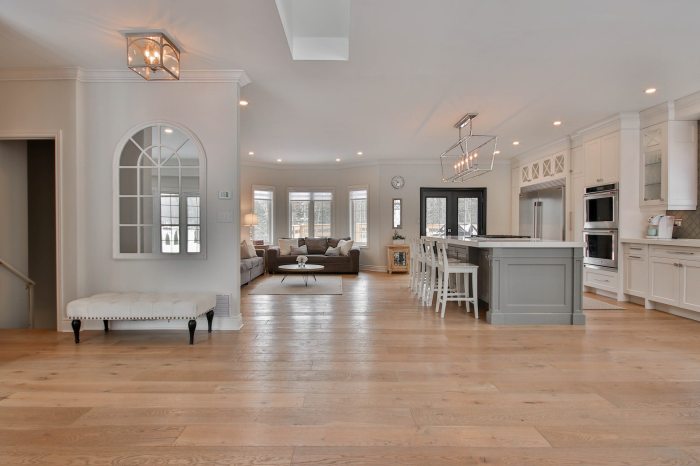
When it comes to choosing the right flooring for different rooms in your home, it's essential to consider factors like foot traffic, moisture levels, and overall design cohesion. Here are some suggestions to help you make the best choice:
Living Room
In high-traffic areas like the living room, durable flooring options are key. Hardwood floors, laminate, or luxury vinyl planks are great choices as they can withstand heavy foot traffic and are easy to clean and maintain.
Bathroom
For moisture-prone areas like the bathroom, it's important to choose flooring that can handle high humidity levels. Ceramic or porcelain tiles, vinyl, or even waterproof laminate are ideal choices for bathrooms as they are water-resistant and easy to clean.
Bedrooms and Kitchens
When selecting flooring for bedrooms, comfort and warmth are essential. Carpet, hardwood, or even cork flooring are great options for bedrooms as they provide a cozy feel underfoot. In kitchens, where spills are common, tile, laminate, or hardwood with a protective finish are recommended for easy cleaning.
Cohesive Flooring Design
To create a cohesive look throughout your home, consider using the same type of flooring or coordinating different materials that complement each other. For example, you can use hardwood in the living room, hallway, and bedrooms, while opting for tile in the kitchen and bathrooms to create a seamless transition between spaces.
Installation Methods and Considerations
When it comes to installing new flooring during a home remodel, there are several key factors to consider to ensure a successful outcome. From the installation process for different flooring materials to the impact of underlayment on longevity, here are some important considerations to keep in mind.
Installation Process for Different Types of Flooring Materials
- Hardwood:Hardwood flooring is typically installed by nailing or stapling it down to a subfloor. It requires precision and skill to ensure a seamless finish.
- Laminate:Laminate flooring often features a click-and-lock system that allows for easy installation without the need for adhesives. It can be a good option for DIY projects.
- Tile:Tile flooring, such as ceramic or porcelain, is usually installed using thinset mortar. Proper spacing and grout application are essential for a professional look.
- Carpet:Carpet installation involves stretching the carpet over a pad and securing it along the edges. Professional installation is recommended for a smooth finish.
Importance of Subfloor Preparation
Before installing new flooring, proper subfloor preparation is crucial for a durable and long-lasting result. This involves ensuring the subfloor is clean, level, and free of any damage or moisture issues. Any imperfections in the subfloor can affect the integrity of the new flooring and lead to problems down the line.
DIY Installation vs. Hiring Professionals
- DIY Installation: DIY projects can be cost-effective and rewarding for homeowners with the necessary skills and tools. However, improper installation can result in costly repairs and a shorter lifespan for the flooring.
- Hiring Professionals: Professional installers have the expertise and experience to handle any challenges that may arise during the installation process. They can ensure a high-quality finish and save you time and hassle in the long run.
Impact of Underlayment on Flooring Quality
Underlayment plays a crucial role in the overall quality and longevity of the flooring. It helps to absorb impact, reduce noise, and provide a smooth surface for the new flooring to rest on. Choosing the right underlayment for your specific flooring type can make a significant difference in the overall performance and comfort of your floors.
Trends in Flooring Design
When it comes to modern home remodels, staying up-to-date with the latest trends in flooring design can make a significant impact on the overall look and feel of your space. From wide-plank hardwood flooring to eco-friendly options, there are various styles and materials to choose from that can enhance the aesthetic appeal of your home.
Popularity of Wide-Plank Hardwood Flooring and Wood-Look Tiles
Wide-plank hardwood flooring has been gaining popularity in recent years due to its timeless and elegant look. The wider planks create a sense of openness and can make a room appear larger. On the other hand, wood-look tiles have become a popular choice for those seeking a more durable and low-maintenance option that still provides the warmth and charm of hardwood.
Incorporating Eco-Friendly Flooring Options
With the increasing focus on sustainability and eco-conscious living, incorporating eco-friendly flooring options into your home renovations has become a popular choice. Materials such as bamboo, cork, and reclaimed wood offer a sustainable and environmentally friendly alternative to traditional flooring options, while still providing durability and style.
Selecting Flooring Designs that Complement Interior Styles
When selecting flooring designs for your home, it's essential to consider how they will complement the interior style of your space. For modern and minimalist interiors, sleek and polished flooring options like concrete or large-format tiles work well. On the other hand, for more traditional or rustic interiors, hardwood or natural stone flooring can add warmth and character to the space.
Last Recap
As we conclude this exploration of the best flooring for home remodel, remember that the foundation of your home sets the stage for comfort and style. Choose wisely, and let your floors reflect your unique taste and lifestyle.
Q&A
What are the best flooring options for high-traffic areas?
Hardwood and laminate are great choices for areas with heavy foot traffic due to their durability.
How can I incorporate eco-friendly flooring into my home remodel?
You can opt for sustainable materials like bamboo or cork flooring to reduce your environmental impact.
Is DIY installation recommended for all types of flooring?
While some materials like laminate are DIY-friendly, it's best to hire professionals for complex installations like hardwood.